
When an urgent expense hits, many Filipinos do not need a large loan. They need a small amount that can cover medicine, electricity, transport, or a school balance before the next payday. A small instant cash loan Philippines application is often faster because lenders treat lower loan amounts as lower-risk transactions, especially for first-time borrowers with limited credit history.
The key is borrowing only what can realistically be repaid. Small emergency loans usually work best for short-term liquidity gaps rather than long-term financial problems. Many digital lenders now verify borrowers through mobile numbers, e-wallet activity, device checks, and identity validation instead of relying purely on salary documents. This allows some applicants to qualify for low-ticket emergency loans even without traditional employment records.
Summary
A small instant cash loan Philippines application is commonly used for urgent low-value expenses like utility payments, medical prescriptions, transport costs, or school shortages. Many digital lenders process small loans faster because lower amounts reduce lender exposure and default risk. Approval decisions often depend on KYC verification, mobile wallet activity, SIM ownership consistency, repayment behavior, and identity checks rather than high income alone. Borrowing below ₱5,000 may improve approval chances for first-time applicants, but repayment ability still matters. Responsible micro-borrowing helps preserve cash flow, reduce repayment stress, and lower the risk of debt cycling during emergencies.
Why Small Emergency Loans Are Growing in the Philippines 📱
The Philippine lending market has shifted heavily toward micro-borrowing over the past few years. Instead of borrowing ₱20,000–₱50,000 immediately, many borrowers now apply for ₱1,000–₱5,000 first.
That change happened for several reasons:
- Widespread mobile wallet adoption
- Faster e-KYC systems
- Same-day digital disbursement
- Increased prepaid mobile usage
- More gig workers and informal earners
- Higher emergency expense frequency
For many borrowers, emergency liquidity is no longer tied to banks. A person can now receive funds through:
- GCash
- Maya
- Bank transfer
- Pawnshop payout channels
- Remittance partners
- Sari-sari store cash-out behavior through e-wallet agents
This matters because small emergency borrowing is usually time-sensitive. Someone facing a utility disconnection or prescription refill often needs access to money within hours, not days.
Unlike traditional loans, digital micro-loans focus heavily on behavioral verification signals.
Lenders often analyze:
- Device consistency
- SIM registration alignment
- Mobile activity patterns
- Previous repayment behavior
- E-wallet ownership
- Identity matching
- Application completion speed
Applicants sometimes assume income alone determines approval. In reality, fintech systems increasingly rely on fraud-prevention scoring and repayment probability modeling.
Why Borrowing Smaller Amounts Can Actually Be Safer
One major problem in emergency borrowing is emotional overreaction. A borrower needing ₱2,000 may apply for ₱10,000 because they fear future shortages.
That decision often creates a larger repayment burden later.
Smaller Loans Usually Mean Lower Repayment Stress
A low-ticket loan can help preserve cash flow. This is important for:
- Daily wage earners
- Freelancers
- Delivery riders
- Online sellers
- Contract workers
- First-time borrowers
A borrower who takes only the amount needed for:
- utility payments,
- medicine,
- transportation,
- or school fees
usually has a better repayment outcome than someone borrowing excess cash “just in case.”
Lenders also monitor repayment completion trends internally. Smaller, successfully repaid loans often help establish positive repayment history for future borrowing access.
Large Emergency Loans Often Trigger Higher Risk Checks
Digital lenders may apply stricter verification on higher amounts.
This can include:
- Manual review
- Additional income verification
- Banking consistency checks
- Contact verification
- Employment review
- Selfie re-validation
By contrast, small emergency loans may move through automated approval systems faster because the financial exposure is lower.
That does not guarantee approval, but it can reduce friction.
Filipino Borrower Using Small Emergency Loan Through Mobile Wallet
What Counts as a “Small Instant Cash Loan” in the Philippines?
Most digital lenders classify small emergency loans between:
- ₱500
- ₱1,000
- ₱3,000
- ₱5,000
Some platforms even begin with very low starter limits for first-time users.
This is especially common for:
- New applicants
- Borrowers without credit history
- Prepaid borrowers
- Informal workers
- Applicants without traditional payslips
The logic is simple: lenders want to observe repayment behavior before increasing exposure.
Common Emergency Situations That Trigger Small Loan Applications
Medical Prescription Shortages 💊
One of the most common borrowing triggers is medicine.
A borrower may:
- run short before payday,
- need antibiotics immediately,
- or require maintenance medication for a family member.
These situations usually involve small amounts rather than large financing needs.
Digital lenders know this pattern. That is partly why low-ticket emergency products continue growing.
Utility Cutoff Notices ⚡
Electricity and water interruptions create emotional urgency quickly.
Borrowers frequently apply for:
- Meralco payments,
- internet reconnection,
- water bills,
- or prepaid electricity reloads.
In many cases, borrowers only need enough to prevent service interruption.
That makes micro-borrowing more practical than large installment debt.
School Payment Gaps 🎒
Small school shortages are another common trigger.
Parents may need:
- project funds,
- transport allowance,
- exam payments,
- or tuition balance completion.
These are often temporary liquidity problems rather than long-term financial collapse.
Responsible small borrowing can sometimes bridge that short gap safely if repayment timing is realistic.
Do Small Loans Approve Faster?
In many cases, yes — but not always.
Smaller loans often move faster because:
- risk exposure is lower,
- automated scoring is easier,
- fraud review thresholds may differ,
- and verification requirements are lighter.
However, approval still depends on identity consistency and borrower quality.
What Lenders Actually Check During Approval
Digital lending systems in the Philippines commonly evaluate:
| Verification Area | Why It Matters |
|---|---|
| Government ID consistency | Prevents identity fraud |
| Mobile number ownership | Detects suspicious accounts |
| Device history | Flags duplicate applications |
| E-wallet ownership | Confirms payout destination |
| Selfie verification | Matches facial identity |
| Repayment history | Predicts future repayment |
| Application completeness | Measures reliability |
Applicants searching for instant cash approval without salary proof sometimes misunderstand how modern fintech approval works.
Many lenders no longer require formal payslips for small loans. Instead, they evaluate digital behavior signals and repayment likelihood.
Freelancers, online sellers, riders, and self-employed workers may still qualify if their identity and transaction behavior appear stable.
Can You Borrow Below ₱5,000 Instantly?
Yes, many platforms allow it.
Loans below ₱5,000 are now common within the Philippine fintech ecosystem because:
- first-time borrower risk is lower,
- repayment windows are shorter,
- and digital disbursement systems support low-value transfers efficiently.
Still, “instant” rarely means immediate cash in seconds.
Actual release timing depends on:
- KYC completion,
- verification queues,
- e-wallet status,
- banking hours,
- fraud checks,
- and system traffic.
Borrowers searching for same day cash release timing should know that delays often happen during:
- high application volume,
- ID mismatch reviews,
- poor selfie quality,
- duplicate account detection,
- or unstable internet submissions.
Why First-Time Borrowers Should Avoid Maximum Loan Limits
Many first-time applicants believe taking the maximum approved amount is financially smarter.
In practice, that can create repayment pressure immediately.
Smaller Loans Help Build Repayment Discipline
A first successful repayment matters more than a large initial approval.
Digital lenders internally monitor:
- payment punctuality,
- extension frequency,
- missed due dates,
- and repeat borrowing behavior.
A borrower who successfully manages a ₱2,000 loan may later gain safer access to larger amounts with lower friction.
Overborrowing Can Create Debt Cycling
Debt cycling happens when:
- One loan repays another,
- Due dates overlap,
- Cash flow collapses,
- Borrowing becomes repetitive.
This is extremely common during emotional emergency borrowing.
One healthy borrowing habit is simple:
Borrow only for the exact shortage — not future fears.
That mindset supports:
- repayment burden minimization,
- healthier budgeting,
- and lower long-term financial stress.
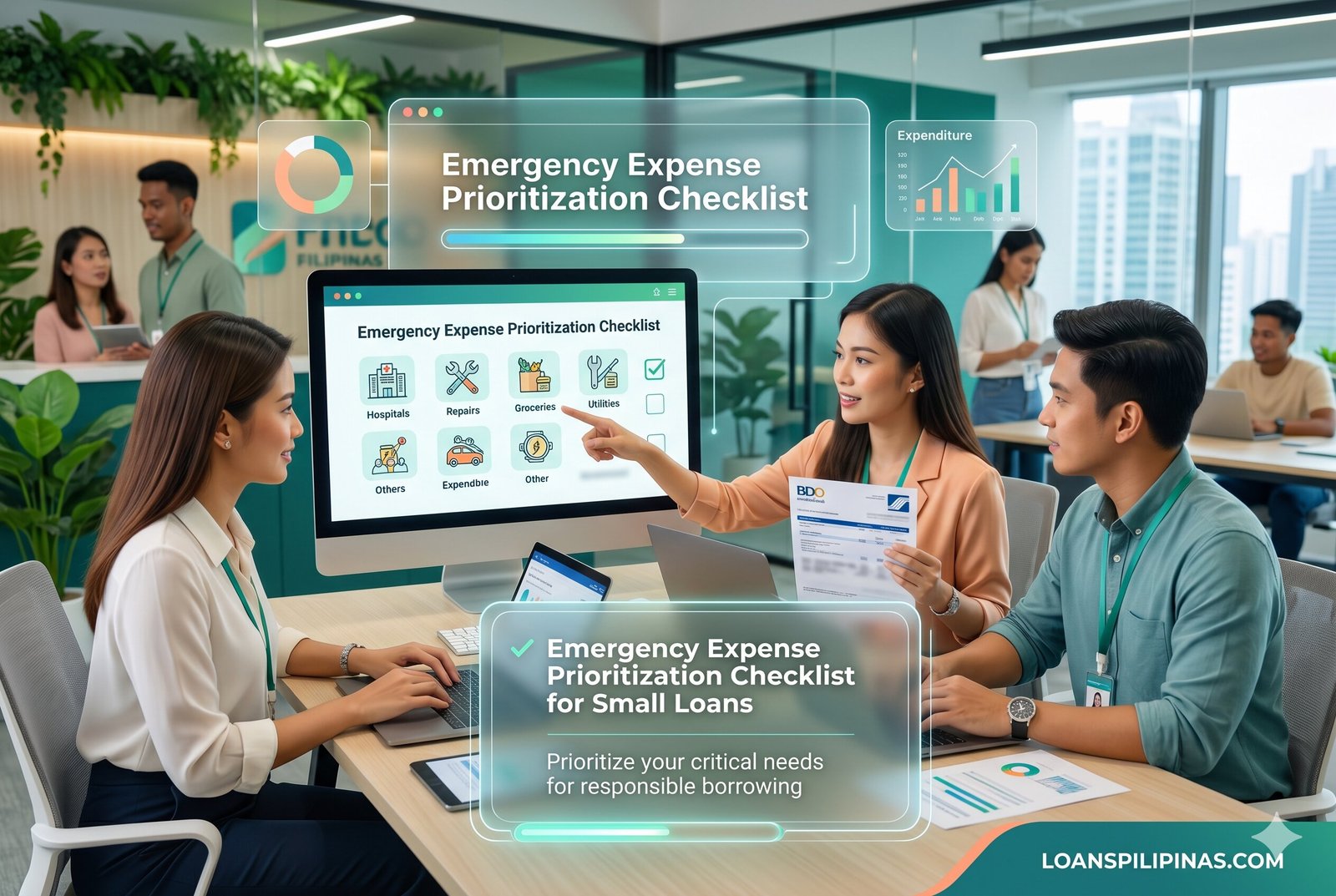
Emergency Expense Prioritization Checklist for Small Loans
How Philippine Digital Lenders Evaluate Risk for Small Loans
Fintech lenders use layered scoring models today.
They do not rely only on income.
Employed Borrowers
Formal employees may still benefit from:
- stable payroll records,
- employer verification,
- and bank consistency.
But even employed borrowers can be declined if:
- identity data conflicts,
- contact details appear suspicious,
- or repayment history looks risky.
Freelancers and Gig Workers
Gig economy applicants are increasingly common.
This includes:
- food delivery riders,
- online freelancers,
- livestream sellers,
- affiliate marketers,
- transport drivers,
- and remote workers.
These applicants often lack traditional payslips, so lenders may analyze:
- e-wallet cash flow,
- payout patterns,
- mobile consistency,
- and transaction behavior instead.
Prepaid Borrowers
Prepaid users are not automatically rejected.
However, inconsistent SIM usage can sometimes affect trust scoring.
For example:
- recently activated numbers,
- constantly changing devices,
- or mismatched registration details
may trigger additional checks.
This reflects fraud prevention logic rather than discrimination against prepaid users.
Practical Ways to Improve Small Loan Approval Chances ✔️
Keep Identity Details Consistent
Your:
- ID,
- selfie,
- mobile number,
- and e-wallet name
should match as closely as possible.
Minor mismatches sometimes trigger manual review.
Avoid Multiple Simultaneous Applications
Submitting many applications within minutes can appear risky to fraud systems.
Some fintech scoring systems detect:
- rapid application bursts,
- copy-paste behavior,
- or device duplication.
That can reduce approval probability.
Use a Stable Mobile Device
Lenders often analyze device consistency.
Constantly changing phones or logging in from suspicious environments may increase fraud risk scores.
Complete KYC Carefully
Common rejection causes include:
- blurry IDs,
- cropped documents,
- poor lighting,
- and incomplete forms.
These are operational issues that borrowers can prevent.
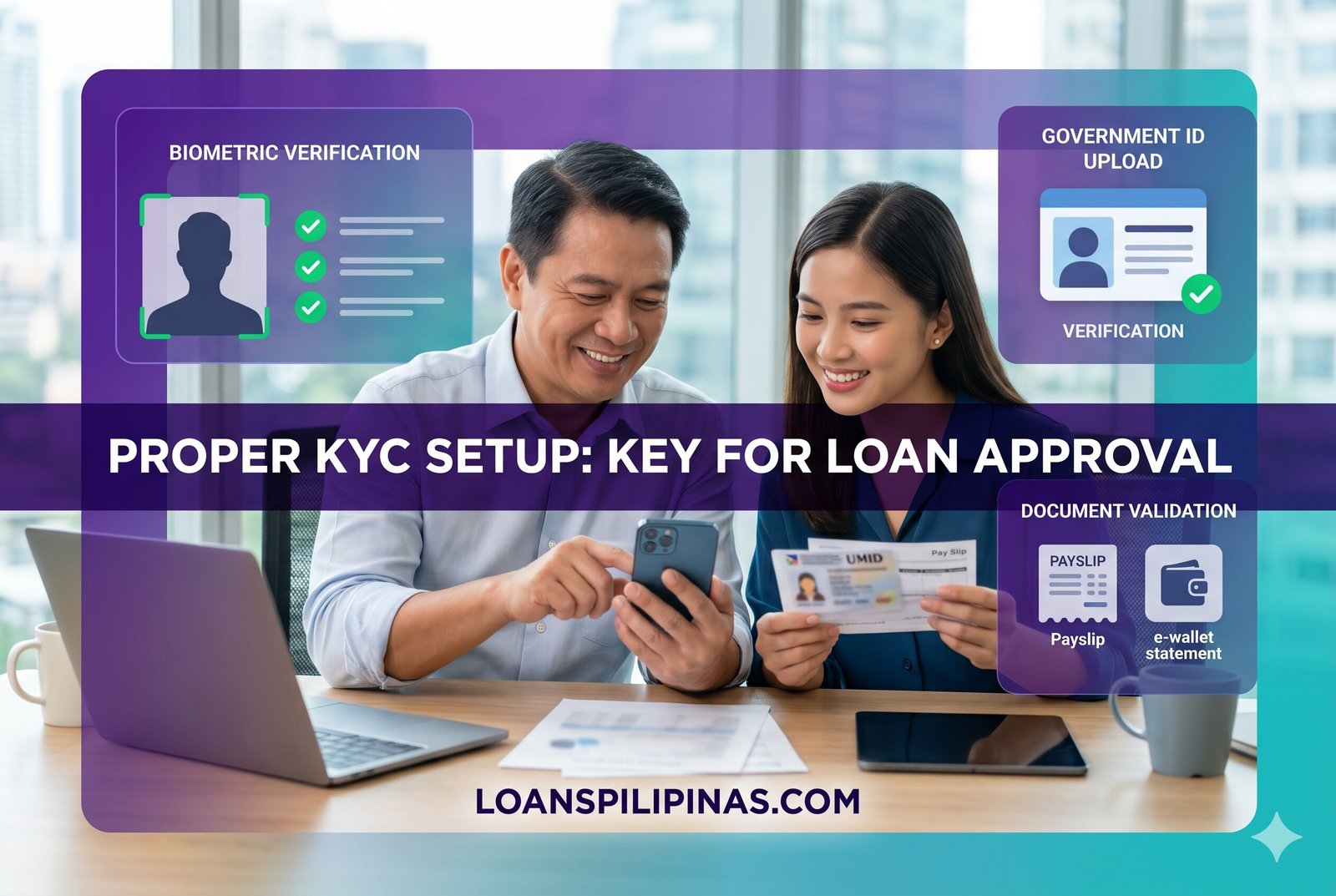
Proper KYC Verification Setup for Philippine Loan Apps
What Is the Easiest Small Instant Loan to Qualify For?
There is no universal “easiest” loan because approval depends on risk scoring.
However, lower-amount loans are generally easier for:
- first-time borrowers,
- applicants with limited credit history,
- and workers without traditional salary documents.
Lenders often approve smaller starter limits first before increasing future eligibility.
Applications with:
- complete KYC,
- consistent identity records,
- active e-wallets,
- and realistic borrowing amounts
usually perform better than inflated requests.
Borrowers looking for safe emergency borrowing should prioritize:
- licensed lenders,
- transparent repayment schedules,
- and manageable due dates.
Are Smaller Loans Safer for First-Time Borrowers?
Usually, yes.
Smaller loans reduce:
- repayment pressure,
- emotional borrowing mistakes,
- and rollover dependency.
They also allow borrowers to learn:
- repayment timing,
- digital lender workflows,
- and due-date management
without large financial exposure.
A ₱2,000 emergency loan repaid properly is generally healthier than struggling through an oversized ₱15,000 obligation.
This is especially important for borrowers entering the digital lending ecosystem for the first time.
Red Flags Borrowers Should Watch For 🚨
Not every lender operates responsibly.
Be cautious if a platform:
- hides repayment costs,
- pressures immediate borrowing,
- requests suspicious permissions,
- threatens public shaming,
- or lacks transparent policies.
Borrowers should also verify whether lenders comply with Philippine consumer protection expectations.
Helpful borrower protection references include:
- Bangko Sentral ng Pilipinas
- Securities and Exchange Commission Philippines
- National Privacy Commission
Responsible fintech platforms increasingly align with:
- digital KYC standards,
- privacy protections,
- and transparent disclosure practices.
Smart Repayment Habits During Emergency Borrowing
Prioritize Essential Expenses First
Before borrowing, classify expenses into:
- Critical
- Delayed
- Optional
Critical expenses usually include:
- medicine,
- electricity,
- transport,
- and school obligations.
Optional spending should not be financed through emergency loans.
Match Repayment to Real Cash Flow
Borrowers should estimate:
- next salary timing,
- gig payouts,
- online selling revenue,
- or remittance schedules
before accepting any loan offer.
This reduces default probability.
Avoid Treating Emergency Loans as Income
A loan is temporary liquidity — not additional earnings.
That distinction matters because repeated borrowing without repayment recovery often creates long-term financial strain.
Why Small Emergency Loans Are Becoming a Permanent Part of Philippine Fintech
Micro-lending continues growing because it matches real Filipino borrowing behavior.
Many emergencies are small, immediate, and urgent.
People often need:
- ₱1,500 for medicine,
- ₱2,000 for utilities,
- or ₱3,000 for school obligations
rather than large multi-year debt products.
The rise of:
- mobile wallets,
- digital verification,
- instant onboarding,
- and embedded finance systems
has made these small transactions operationally possible for lenders.
At the same time, borrowers are becoming more cautious about excessive debt exposure.
That shift is pushing demand toward smaller, lower-risk borrowing behavior instead of aggressive loan maximization.
Conclusion
A small instant cash loan Philippines application can help bridge urgent financial gaps when used responsibly. For many borrowers, the safest option is not the biggest approval amount but the smallest realistic solution that covers the emergency without creating future repayment strain.
Whether the need involves medicine, utility payments, transportation, or school shortages, careful micro-borrowing supports better financial stability than emotional overborrowing. Philippine digital lenders increasingly evaluate identity consistency, repayment behavior, mobile verification, and e-wallet activity rather than relying solely on traditional salary documents.
Before applying, focus on repayment timing, verify lender legitimacy, complete KYC carefully, and borrow only what fits your actual cash flow. Responsible borrowing habits today can reduce financial pressure tomorrow while helping build healthier long-term lending behavior within the Philippine digital finance ecosystem.
